The Christian Centre for Mission, Family and Leadership Development (CEMFLED) is committed to empowering individuals and strengthening communities through initiatives that promote self-reliance, economic independence and sustainable development.
Through the PK Skills Acquisition Project, CEMFLED provides opportunities for individuals to acquire practical vocational and technical skills that can improve their employability, encourage entrepreneurship and create sustainable livelihood opportunities.
The project recognises that access to relevant skills and vocational training is essential in addressing unemployment, poverty and economic vulnerability. By equipping participants with hands-on knowledge and practical competencies, CEMFLED seeks to help individuals become productive, self-reliant and better positioned to contribute to their families and communities.
Areas of Skills Training
The PK Skills Acquisition Project currently focuses on three major vocational training areas:
1. Fashion Design
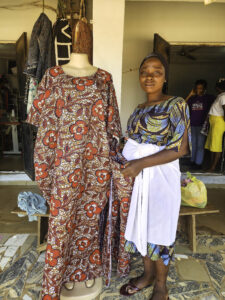
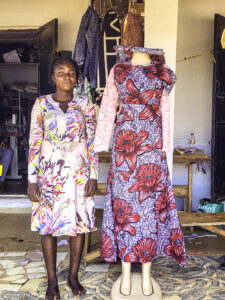
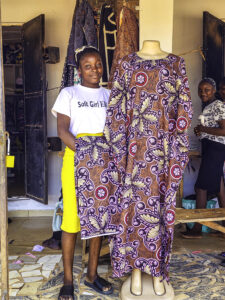
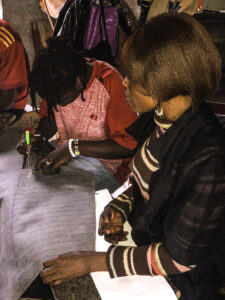
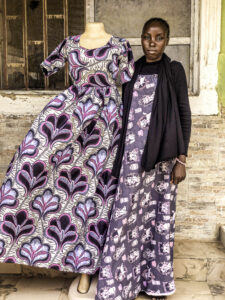
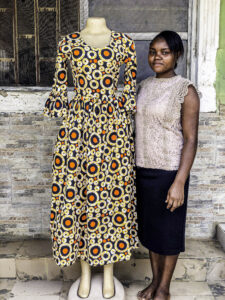
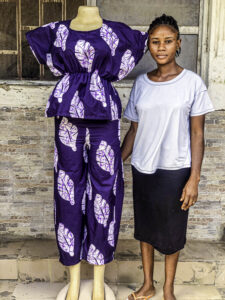
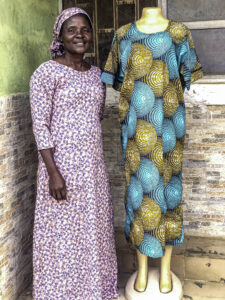
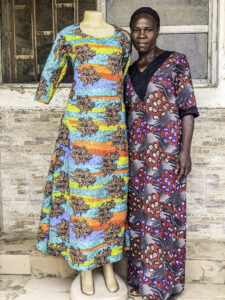
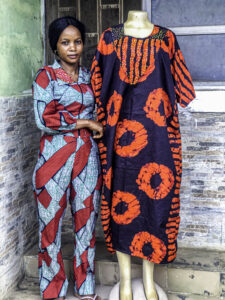
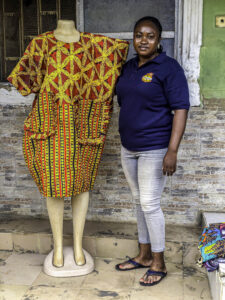
Participants receive practical training in fashion design and garment making, covering both male and female clothing. The programme equips trainees with the knowledge and technical skills needed to pursue careers in the fashion industry or establish their own tailoring businesses.
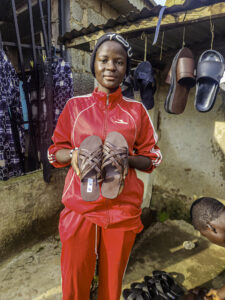
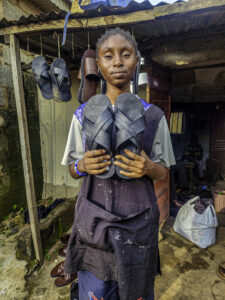
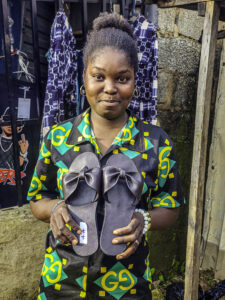
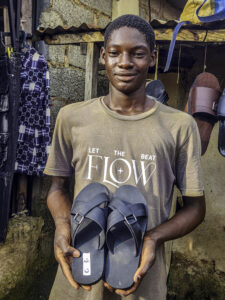
2. Shoe Making
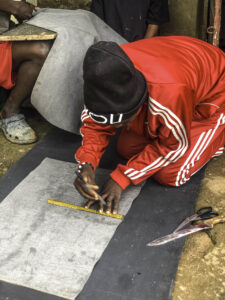
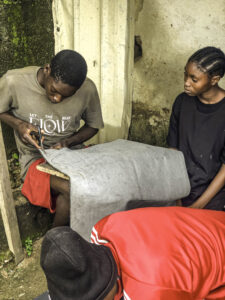
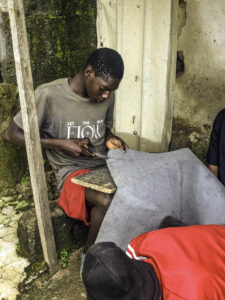
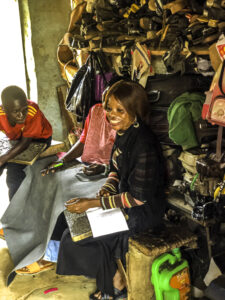
This component provides participants with practical skills in footwear production and craftsmanship, creating opportunities for self-employment, entrepreneurship and income generation.
3. Automobile Mechanics
Participants receive practical technical training in automobile maintenance and mechanical repairs, equipping them with skills that can support employment opportunities or the establishment of independent automobile repair businesses.
Programme Monitoring and Evaluation
To ensure effective implementation and assess participants’ progress, CEMFLED conducts Monitoring and Evaluation (M&E) visits to the programme locations.
In June 2026, the organisation conducted M&E visits to its training centres in Bwari and Kuje, within the Federal Capital Territory. The visits provided an opportunity to assess the progress of participants, engage with trainers and trainees, and evaluate the practical knowledge and skills being acquired.
The monitoring exercise covered a total of 45 participants across the two locations.
Programme Highlights: June 2026
Bwari Training Centre
Fashion Design: 7 participants
Shoe Making: 8 participants
Total: 15 participants
Kuje Training Centre
Fashion Design: 14 participants
Shoe Making: 9 participants
Automobile Mechanics: 2 participants
Total: 25 participants
During the visits, participants expressed joy and satisfaction with the training opportunities provided. They also demonstrated growing practical knowledge and understanding in their respective areas of specialisation.
These engagements provided valuable insights into the programme’s progress and reaffirmed the importance of continuous monitoring, practical learning and participant engagement in achieving sustainable outcomes.
Creating Opportunities for Economic Independence
The PK Skills Acquisition Project goes beyond providing vocational training. It seeks to create pathways through which individuals can translate acquired skills into meaningful economic opportunities.
By equipping participants with relevant technical and entrepreneurial competencies, CEMFLED aims to promote self-employment, reduce economic vulnerability, improve household livelihoods and encourage sustainable community development.
Our Commitment
At CEMFLED, we believe that everyone deserves an opportunity to develop their potential and build a sustainable future.
Through the PK Skills Acquisition Project, we remain committed to investing in people, strengthening vocational capacity and creating opportunities for individuals to become economically empowered and productive members of society.
We invite donors, development partners, corporate organisations and well-meaning individuals to partner with us in expanding access to vocational skills training and creating more opportunities for sustainable livelihoods.
Together, we are building skills, transforming lives and creating opportunities for a better future.